If you've spoken with your child's teacher recently, you may have heard the phrase "NEP 2020" come up more than once. The National Education Policy 2020 is the biggest shift in Indian education policy in over three decades — but for most parents, what it actually changes inside the classroom remains a little fuzzy. Here's a plain-language look at what's different, and why it matters for your child at Excellencia Infinitum.
From Rote Memorisation to Real Understanding
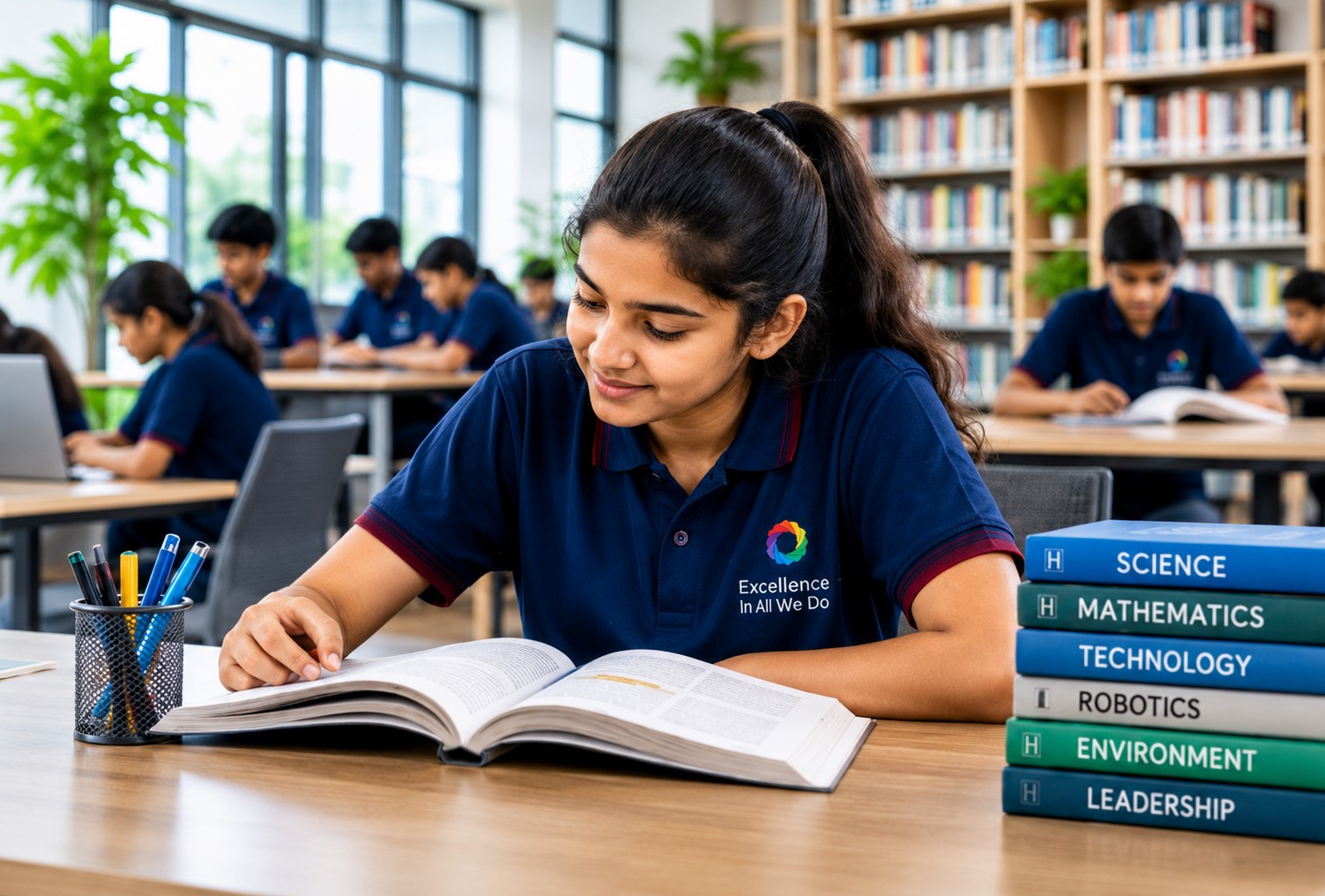
For generations, Indian schooling leaned heavily on memorisation — learning facts to reproduce them accurately in an exam. NEP 2020 pushes classrooms in a different direction: toward conceptual understanding, curiosity, and the ability to apply knowledge rather than simply recall it.
In practice, this means lessons are increasingly built around questions rather than answers. A history class doesn't just ask "when did this happen" — it asks "why did it happen, and what would have changed if it hadn't." A science class doesn't stop at the formula; it asks students to design an experiment that tests it.
"The goal isn't to make school harder. It's to make learning stick — so a child can use what they've learned long after the exam is over."
Assessment Reimagined
One of the more visible changes is in how progress gets measured. NEP 2020 encourages moving away from a single high-stakes exam at the end of the year, toward continuous, formative assessment — regular, lower-pressure check-ins that help teachers spot gaps early and help students build confidence gradually.
At Excellencia Infinitum, this shows up in our weekly CBSE and Foundation assessments, two monthly evaluations per term, and structured SA-1/SA-2 examinations — with parent feedback delivered within 48 hours, so you're never in the dark about how your child is actually progressing.
Skill-Building Gets Equal Billing
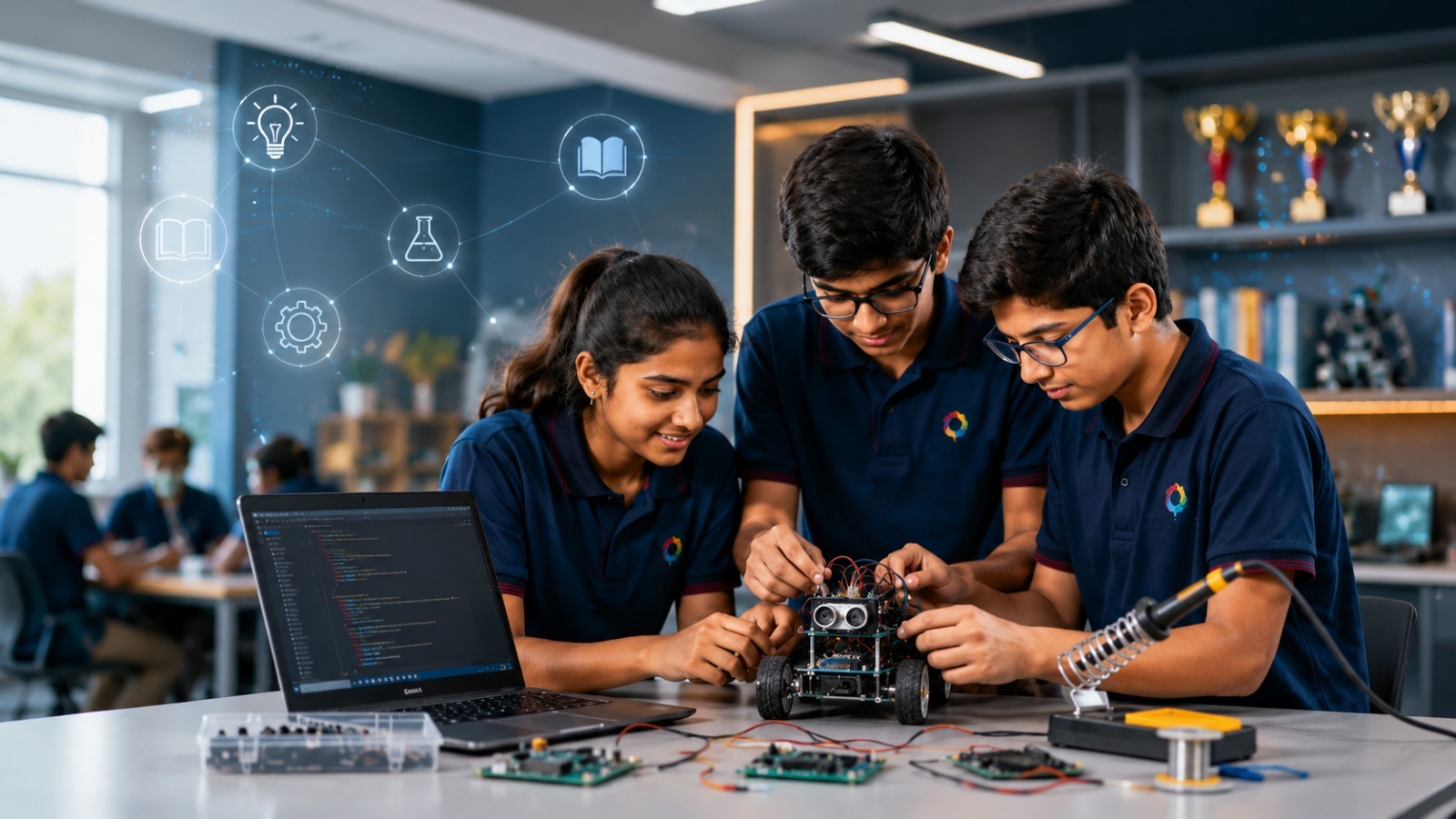
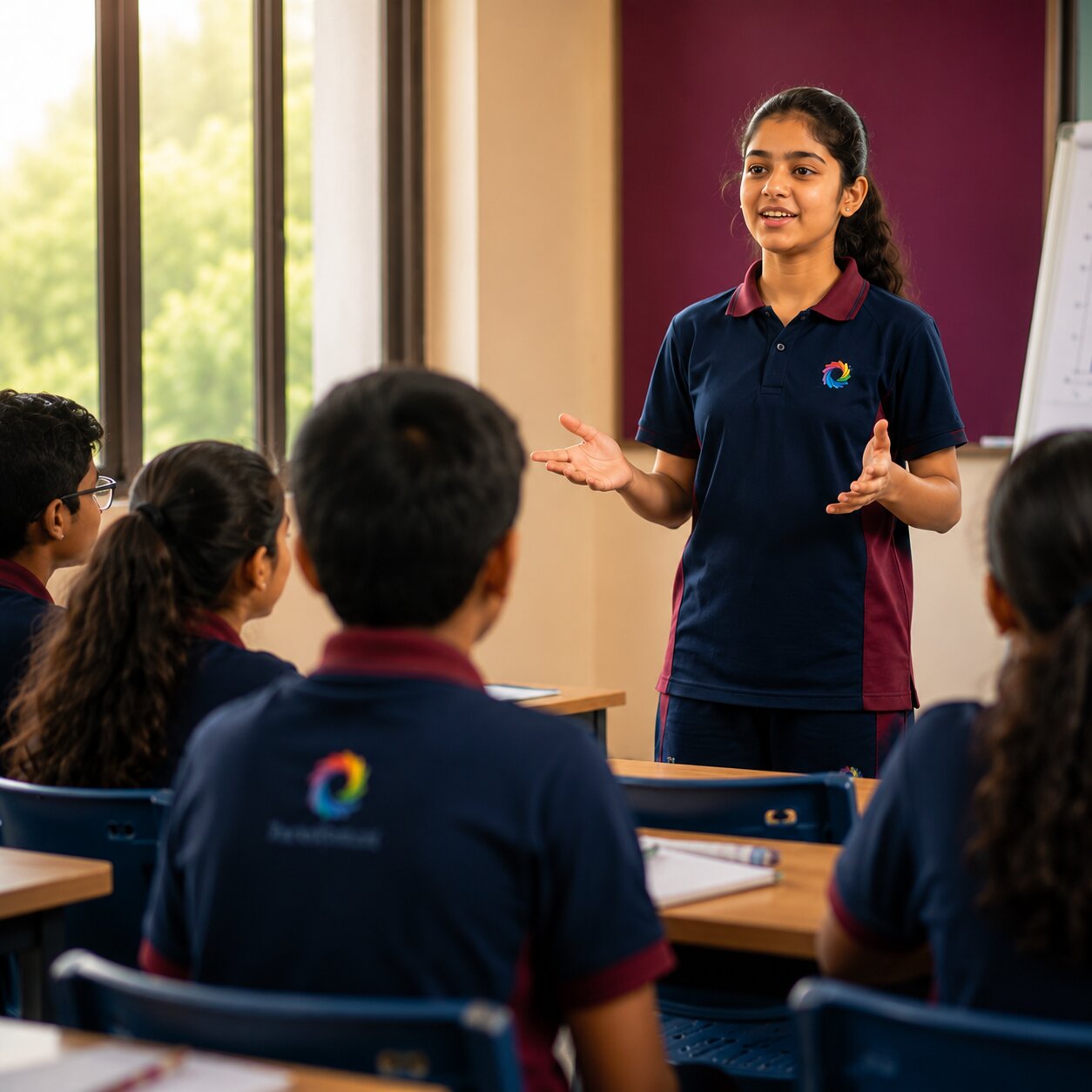
NEP 2020 also formally recognises that academic knowledge is only part of the picture. Critical thinking, collaboration, communication, and digital literacy are treated as core outcomes, not extracurricular add-ons. That's part of why we've built dedicated tracks for STEM, Robotics & AI, Digital Literacy, and Language Enhancement directly into our curriculum rather than leaving them to occasional workshops.
What This Means for Parents
You don't need to overhaul how you support your child at home — but a few small shifts can help reinforce what's happening at school:
- Ask "how" and "why" questions about homework, not just "did you finish it."
- Encourage projects and hands-on activities alongside textbook revision.
- Expect more frequent, informal updates from teachers — and use them as a conversation starter, not a verdict.
- Give unstructured time for curiosity — reading, building, tinkering — real value in NEP's philosophy.
The Excellencia Infinitum Approach
Our CBSE curriculum has been restructured around NEP 2020's guidelines at every grade level — from activity-based learning and phonics in the primary years, to integrated foundation coaching for IIT-JEE and NEET from Grade 6, through to stream-based specialisation (MPC, BiPC, MEC, CEC) in Grades XI and XII. The goal throughout is the same: build students who don't just pass exams, but who can think clearly, apply what they know, and walk into the world ready for it.
If you'd like to see how this plays out day-to-day in our classrooms, we'd love to show you around — book a campus visit and meet the teachers who make it happen.